Guide Understanding Hearing Loss

How to Prevent Noise-Induced Hearing Loss

Reduce harmful noise at the source, shorten exposure, move away, and use correctly fitted hearing protection when noise cannot be controlled.

Information only — not medical advice. We explain what hearing aids can and cannot do, and make no cure claims. Spotted an error? Tell us — see our corrections policy.

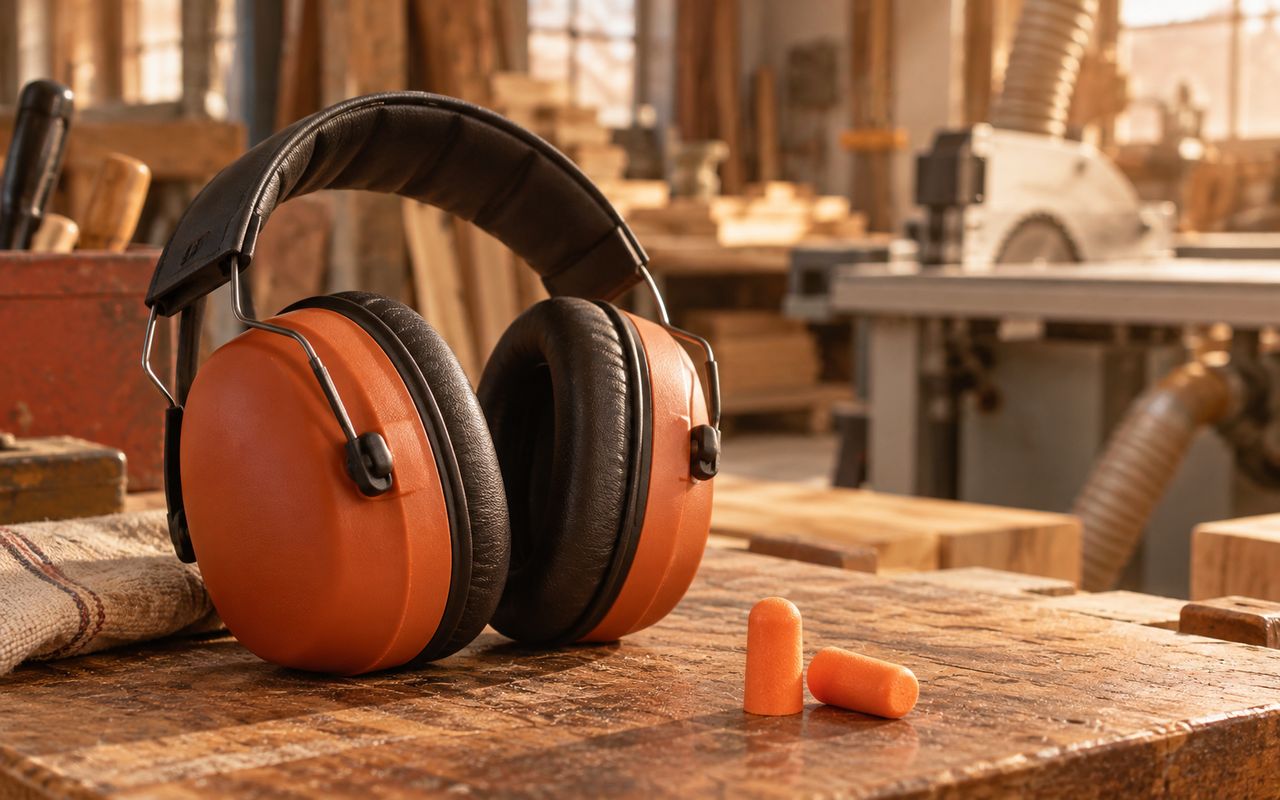
Hearing protectors and unused foam earplugs on a workshop bench.

Key facts

Best control Reduce or remove the noise before relying on personal protection.
NIOSH workplace benchmark 85 dBA over an eight-hour shift is the recommended exposure limit.
Warning signs Ringing, muffled sound, or difficulty understanding speech after noise.

Step by step

  1. Turn down, switch off, isolate, or move away from the noise source where possible.
  2. Limit time in the noisy area and take breaks in a quieter place.
  3. Use hearing protection suited to the activity and fit it according to the instructions.
  4. Arrange a hearing assessment if you notice persistent ringing, muffling, or difficulty understanding speech.

Control the sound before it reaches you

The strongest protection is a quieter source: turn equipment down, choose a quieter tool, close an acoustic barrier, or leave the noisy area. The NIOSH prevention guidance places noise control ahead of relying only on earplugs or earmuffs.

Distance matters. Moving away from a speaker, machine or tool can reduce exposure. Time matters too: shorten the noisy task and take recovery breaks in a genuinely quieter place.

Use the 85 dBA figure correctly

NIOSH’s recommended occupational exposure limit is 85 A-weighted decibels over an eight-hour shift. It is not a promise that every sound below 85 dBA is harmless or that 85 dBA is safe indefinitely. Higher sound levels allow less exposure time, and impulsive sounds such as gunfire need specialised controls.

Phone sound meters and watch alerts can raise awareness, but consumer devices may not be calibrated for compliance decisions. Workplace measurements should come from an appropriate hearing-conservation or safety programme.

Fit protection for the activity

The NIDCD noise-induced hearing-loss guide recommends hearing protectors when sound cannot be reduced or avoided. A protector only works as intended when it fits and remains in place.

Roll-down foam plugs need correct insertion; reusable plugs need the right size and clean seals; earmuffs need an unbroken cushion seal. Glasses, hair and headwear can affect earmuff fit. Musicians, shooters, motorcyclists and industrial workers have different communication and impulse-noise needs, so use activity-specific advice.

Listen to the warning signs

Temporary muffling or ringing after noise means the exposure was significant. The NIDCD notes that apparent recovery after a temporary change does not prove there was no residual harm. Reduce the next exposure and arrange a hearing test if ringing, muffling or speech difficulty persists or recurs.

Sudden major hearing loss after a blast, especially with pain, drainage or dizziness, needs urgent medical care.

Frequently asked

Is 85 dBA safe for any length of time?
No single number is safe for every duration. NIOSH uses 85 dBA over an eight-hour workday as a recommended exposure limit; risk rises with level and time.
Should I wear earplugs under earmuffs?
Dual protection may be appropriate for very high occupational exposures, but selection and fit should follow the workplace programme or a qualified safety professional.

A question about this topic?

Ask the Sherpa. It answers from our guides and can show the hearing aids we list, with their supplied price, trial and warranty fields. It can’t diagnose hearing loss or choose a device for you.

Ask the Sherpa

Sources and review status

Not clinician-reviewed. The Sherpa Editorial Desk checked this article against the sources below. It has not been reviewed by an audiologist or physician. Do not use it to diagnose or treat a condition.

Sources were opened on the dates shown. Links go to the original public-health, regulator, or professional body rather than a reseller.

  1. Noise-Induced Hearing Loss — National Institute on Deafness and Other Communication Disorders; accessed .
  2. Understand Noise Exposure — National Institute for Occupational Safety and Health; accessed .