Guide Choosing & Buying

Do I Need a Hearing Test Before Buying Hearing Aids?

What a professional hearing assessment can show, what US OTC rules allow, and which warning signs should stop a hearing-aid purchase.

Information only — not medical advice. We explain what hearing aids can and cannot do, and make no cure claims. Spotted an error? Tell us — see our corrections policy.

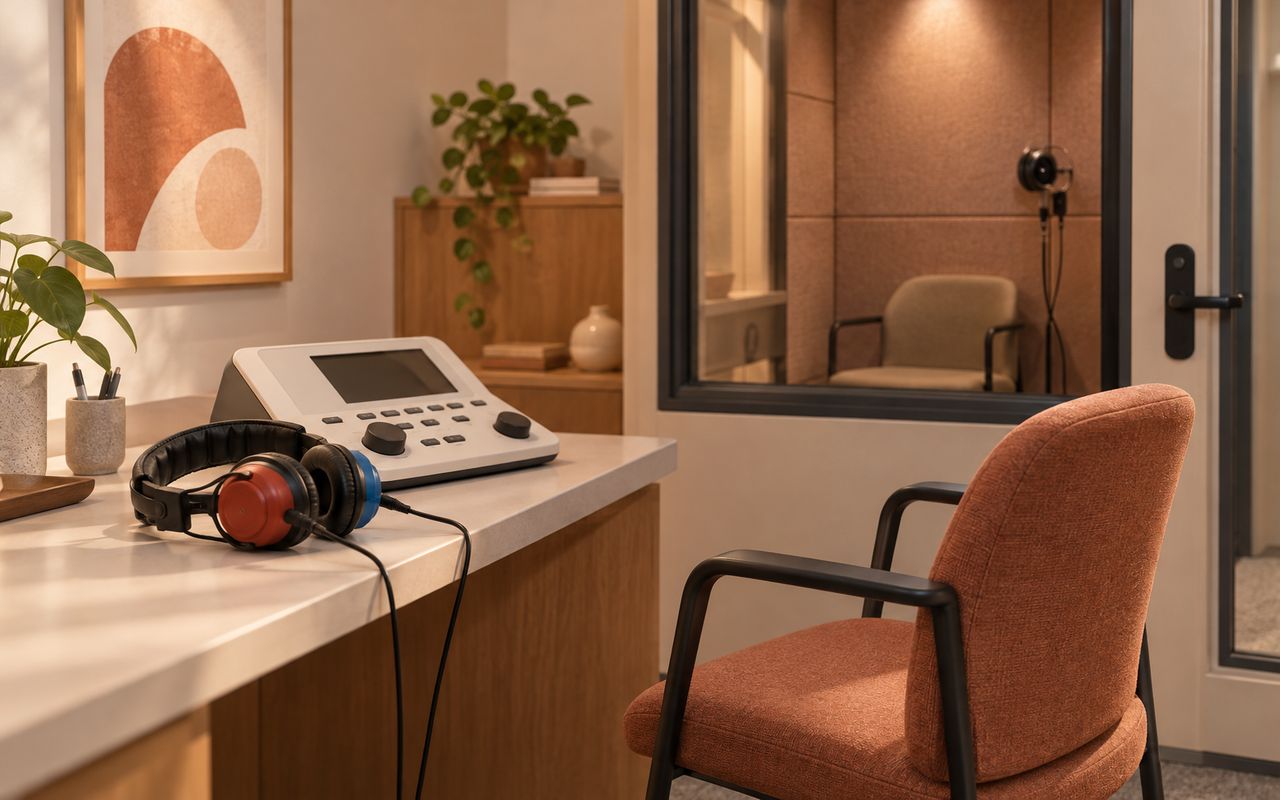
Headphones and an assessment console beside an empty hearing-test booth.

Key facts

US OTC rule No exam or prescription is required for eligible adults.
What a test adds Ear-specific thresholds, pattern, speech information, and referral clues.
Do not self-fit Sudden, one-sided, rapidly changing, painful, draining, dizzying, or severe symptoms.

Step by step

  1. Pause shopping if hearing changed suddenly, differs sharply by ear, or comes with pain, drainage, dizziness, or neurological symptoms.
  2. Arrange an ear examination and audiological assessment when symptoms are unexplained or affect daily life.
  3. Use the results and your listening goals to compare professional, prescription, or eligible OTC options.

What does a professional assessment add?

The NIDCD hearing-aid overview explains that an ENT investigates the cause of hearing difficulty, while an audiologist measures hearing and assesses the type and degree of loss. Ask what your results mean before choosing a device.

That matters because two people who both say “restaurants are hard” may have different hearing patterns, ear conditions and device needs. A calibrated test also gives you a baseline for future comparison.

When does US OTC access make sense?

The FDA’s OTC hearing-aid guidance says OTC devices are for adults aged 18 or older with perceived mild-to-moderate hearing loss. They can be bought without a medical exam, prescription or professional fitting. That legal access does not make an exam useless; it means an eligible adult can choose self-directed care.

Before buying, read the outside-box label, return policy, warranty, support terms and how the device is adjusted. A phone or web screener can help decide whether to seek care, but it cannot inspect the ear or diagnose a cause.

What warning signs change the plan?

Stop shopping and seek professional care if hearing:

  • changed suddenly or worsened rapidly;
  • is much worse in one ear;
  • fluctuates without a clear temporary cause;
  • comes with ear pain, discharge, marked dizziness or facial symptoms; or
  • seems severe enough that normal conversation is very difficult.

Children and teenagers should not use US OTC hearing aids. Prescription pathways can cover any age and degree of loss, subject to the device’s indication and local rules.

What should you take to the appointment?

Bring a medication list, hearing and noise-exposure history, previous tests, and three listening situations you want to improve. Ask for a copy of the audiogram and a plain-language explanation. If a device is suggested, ask how benefit will be measured and what happens during the trial or return period.

Frequently asked

Can an online test diagnose hearing loss?
No. A screener can flag possible difficulty, but it cannot examine the ear or replace a calibrated diagnostic assessment.
Who can use US OTC hearing aids?
They are intended for adults aged 18 or older with perceived mild-to-moderate hearing loss. They are not intended for children or severe loss.

A question about this topic?

Ask the Sherpa. It answers from our guides and can show the hearing aids we list, with their supplied price, trial and warranty fields. It can’t diagnose hearing loss or choose a device for you.

Ask the Sherpa

Sources and review status

Not clinician-reviewed. The Sherpa Editorial Desk checked this article against the sources below. It has not been reviewed by an audiologist or physician. Do not use it to diagnose or treat a condition.

Sources were opened on the dates shown. Links go to the original public-health, regulator, or professional body rather than a reseller.

  1. OTC Hearing Aids: What You Should Know — U.S. Food and Drug Administration; accessed .
  2. Hearing Aids — National Institute on Deafness and Other Communication Disorders; accessed .