Guide Understanding Hearing Loss

Is Sudden Hearing Loss a Medical Emergency?

A sudden hearing drop over hours or days can be an emergency. Seek urgent medical assessment instead of assuming wax or buying a device.

Information only — not medical advice. We explain what hearing aids can and cannot do, and make no cure claims. Spotted an error? Tell us — see our corrections policy.

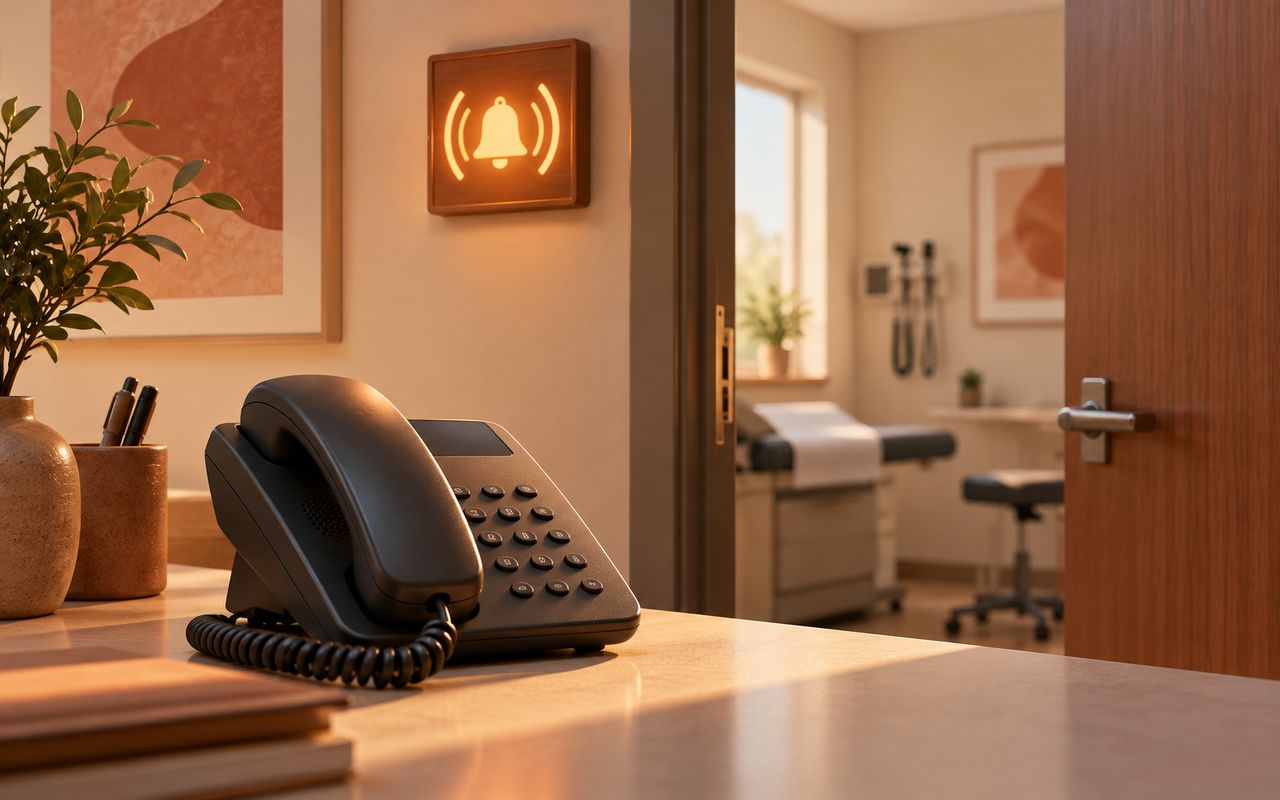
A telephone beside an open consultation-room doorway and an urgency symbol.

Key facts

Emergency pattern A sudden hearing change over hours or up to a few days.
Do now Contact urgent medical care; do not wait to shop or self-treat.
Possible companions Ear fullness, tinnitus, dizziness, or a popping sensation.

Step by step

  1. Contact urgent medical care now; use emergency services for stroke signs, severe neurological symptoms, or serious injury.
  2. State when the change began, which ear is affected, and whether there is tinnitus, fullness, dizziness, pain, drainage, or facial symptoms.
  3. Do not delay care to try wax products, decongestants, an online test, or a hearing aid.

Act before you know the cause

The NIDCD sudden-deafness guidance says sudden sensorineural hearing loss should be considered a medical emergency. It may happen at once or over a few days and often affects one ear. People sometimes delay because the ear feels full and they assume allergy, congestion or wax.

Do not wait for a routine device appointment or spend time testing consumer products. Contact the urgent-care route in your country now. Call emergency services for facial weakness, speech difficulty, severe new neurological symptoms, collapse or serious head injury.

What should you tell the service?

Give the time and date the change began and whether it affects one or both ears. Mention:

  • tinnitus or a pop;
  • fullness or pressure;
  • dizziness or balance change;
  • pain, discharge or recent infection;
  • recent loud noise, injury or pressure change;
  • new medication; and
  • facial weakness or altered sensation.

Do not put tools or drops into the ear unless a clinician says they are appropriate for your history.

What may the assessment involve?

A clinician first considers outer- or middle-ear explanations such as wax or fluid. If there is no obvious conductive cause, the NIDCD says pure-tone audiometry should be performed within a few days to identify possible sensorineural loss. Additional tests depend on the findings.

Seek urgent medical assessment now. Do not wait for a routine hearing-aid appointment or assume wax is responsible. The NIDCD hearing-aid overview explains the different roles of an ENT and an audiologist.

Why not quote a treatment plan here?

Treatment depends on diagnosis, timing, contraindications and local clinical guidance. A general article cannot safely choose medication or a route of administration. The useful action is prompt assessment, not self-treatment.

Frequently asked

Can sudden loss feel like a blocked ear?
Yes. NIDCD notes that sudden sensorineural loss may include fullness, tinnitus or dizziness and is sometimes mistaken for wax or congestion.
What if the hearing partly returns?
Still seek prompt assessment. Improvement does not establish the cause or remove the need for professional evaluation.

A question about this topic?

Ask the Sherpa. It answers from our guides and can show the hearing aids we list, with their supplied price, trial and warranty fields. It can’t diagnose hearing loss or choose a device for you.

Ask the Sherpa

Sources and review status

Not clinician-reviewed. The Sherpa Editorial Desk checked this article against the sources below. It has not been reviewed by an audiologist or physician. Do not use it to diagnose or treat a condition.

Sources were opened on the dates shown. Links go to the original public-health, regulator, or professional body rather than a reseller.

  1. Sudden Deafness — National Institute on Deafness and Other Communication Disorders; accessed .
  2. Hearing Aids — National Institute on Deafness and Other Communication Disorders; accessed .