Choosing & Buying
How to choose and buy a hearing aid without overpaying or guessing: OTC versus prescription, what a fair price looks like, the trial-and-return rules that protect you, and where to actually buy.
-
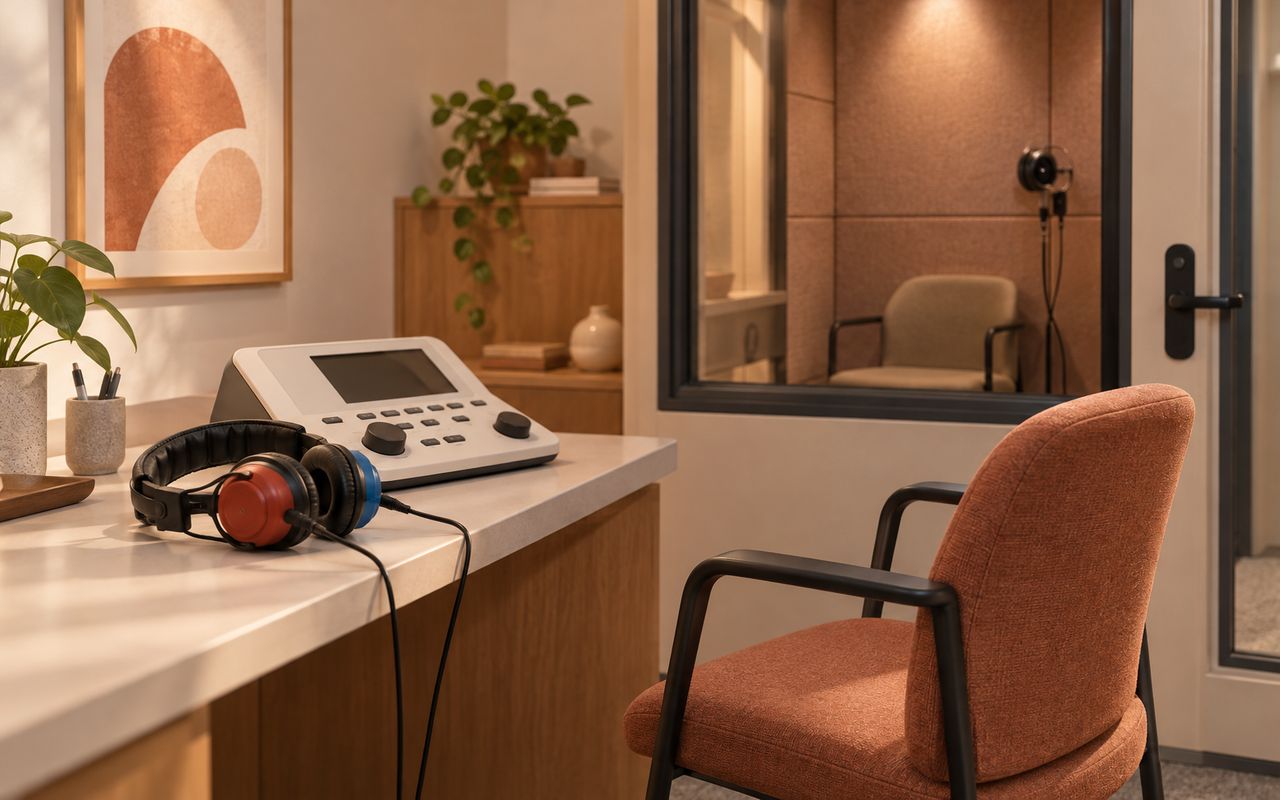
Guide Choosing & Buying Do I Need a Hearing Test Before Buying Hearing Aids? A professional assessment is useful before buying because it measures each ear and can reveal patterns that need medical referral. In the US, eligible adults may buy OTC aids without an exam, but sudden, one-sided, fluctuating, painful, draining, dizzying, or severe symptoms should be assessed before any purchase. Ask the Sherpa
-
Guide Choosing & Buying PSAP vs OTC Hearing Aid: What Is the Difference? A personal sound amplification product, or PSAP, is a consumer electronic for people with normal hearing who want selected sounds louder. A genuine US OTC hearing aid is an FDA-regulated medical device for adults with perceived mild-to-moderate hearing loss. Marketing appearance alone does not establish the category. Ask the Sherpa
-
Guide Choosing & Buying OTC vs Prescription Hearing Aids In the US, OTC hearing aids are FDA-regulated devices for adults 18 or older with perceived mild-to-moderate hearing loss and require no prescription or professional fitting. Prescription aids are obtained through licensed hearing-care channels, can serve broader ages and hearing levels, and include professional evaluation and fitting. Ask the Sherpa
-
Tip Choosing & Buying 12 Questions to Ask Before Buying a Hearing Aid Ask who the device is intended for, how your hearing will be assessed, how fitting and benefit are verified, what support is included, the total price, return deadline and fees, warranty and repair process, replacement-part costs, software requirements, data use, and what happens if it does not help. Ask the Sherpa
Nothing matches that filter on this page. Clear filters.